




Direct Tension Indicator Washers
The DTI Washer, also known as the Squirter Washer, has been around a while in various forms. It has two basic functions; 1) to assure the bolt is delivering the required tension on the connection, and 2) speed of installation.
Structural Steel, Bridge or Slip Critical Connections are required to meet a minimum compressive strength. The standard TC Bolt has a spline that will shear off when the appropriate tension level is achieved. This is the fastest, most efficient method of bolting connections but it cannot guaranty the plies are compressed as the sheared spline would indicate. The pressure the TC Bolt spline is responding to it the torque created as the nut tightens. The problem is the same torque is generated if anything jams the nut while it tightening. Any debris in the threads, typically sand or a metal shaving can act as a wedge jamming the nut from turning and developing the torque to snap the spline prematurely.
The DTI, or Direct Tension Indicator Washer, functions on a completely different premise. It measures the pressure the bolt is delivering to the steel plies. By offering resistance as the bolt is compressed the DTI will hold its shape until the compression reaches the required amount. At this point the ridges will begin to compress. As they do, the semi cured silicone will exit the cavity through the small channels on the bottom of the DTI Washer. See Fig. 1. As compression continues the silicone visible at the sides of the washer increases. Once the correct pressure is determined it is possible to estimate the pressure on subsequent connections by the amount of silicone at the sides of the washer.
When using Direct Tension Indicator Washers correct assembly is important, and there are several ways it can be done. The image to the right shows one method of assembly before compression begins. The DTI Washer can sit directly on the steel member surface, but the compression bumps must be facing the nut. An F-436 hardened washer should sit between the Squirter Washer and the Heavy Hex Nut.
In all cases the ridges do not face the steel member, As well, it is important they do not touch the turning surface directly. They can sit under a bolt head without a washer as long as the bolt head will not be rotating when the bolt is being tightened.
For more detailed information on DTI washers click here.
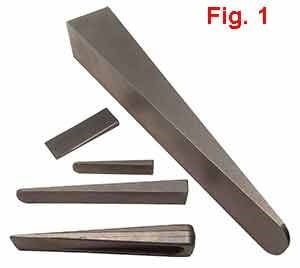
Steel Wedges are used in fabrication and steel erection for a wide variety of purposes. Some are very simple and rudimentary, others more specific and complex. When a job requires structural steel wedges, the fabricator or erector will have a choice between mass produced stock sizes and made to order sizes. The key phrase in that sentence is “mass produced.”

Most steel wedges are hard enough to perform a variety of tasks. Our customers are Steel Fabricators, Steel Erectors, Concrete Contractors and a variety of other construction trades. We’ve seen them use steel wedges for everything from leveling staircases to elevating entire structures. Often steel erectors and Concrete Contractors will have them at the jobsites not knowing what they will be used for, but knowing for sure they will be used.

A question frequently asked, regarding the placement of EZ Sleeves, is the required depth. In actuality, the required depth does not change whether the hole is created by using EZ Sleeves before pouring concrete or Core Drilling after the concrete has cured.

The fastest and most cost efficient way to make Handrail Post holes is with correct use of EZ Sleeves. Set properly they can save countless man hours and expense.

When making a steel wedge to order plans often call for a center hole that will be used for alignment or for locking the wedge in place. (See fig. 1) The hole can also be useful when removing a wedge while still under pressure.
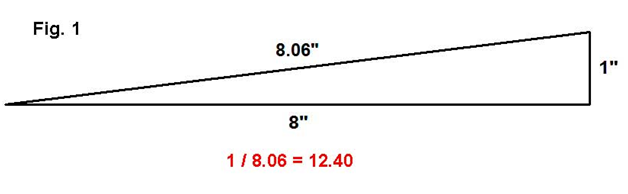
The steel wedge is an extremely important aspect of any construction process. Another way to understand the power of the steel wedge is by understanding the structural bolt. At first, it might seem as though that the two products have nothing in common, but in reality they are the same thing.

Steel Wedges are among the most basic and yet unique products our steel fabricating customers use. They are used for almost everything, from separating heavy plates in the shop, to with an erector lift for extremely heavy objects, to shimming stair stringers.

For anyone looking to looking to create a post hole before laying down concrete, the process can be a nightmare. Some steel fabricators will use PVC pipe or a hard rubber tube to create the hole, but that rarely ever solves the problem. Often, it can be difficult to keep the pipe or tubing in position while pouring the concrete, and after it can be a headache to remove the tubing once the concrete has set. However, steel fabricators no longer have to worry about setting down post holes—the EZ Sleeve is here!