

While visually different both bars are designed to do the same thing. The ribs on the Rebar or indentations on the Deformed Bar Anchor provide positive anchoring and both rods add tensile and yield strength to the concrete.




While visually different both bars are designed to do the same thing. The ribs on the Rebar or indentations on the Deformed Bar Anchor provide positive anchoring and both rods add tensile and yield strength to the concrete.
Tags: Rebar

Rebar Anchors
An Important Link in the Structural Connection
The primary function of the Weldable Rebar Anchor is to anchor rebar to structural steel columns and beams. The secondary benefit is to install a coupling that can withstand welding and thereby avoid welding the rebar directly to the steel.
Tags: Rebar
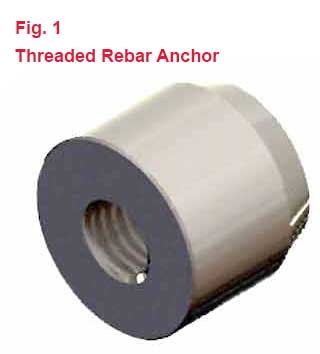
As Rebar Couplers become more commonplace in Steel Construction several problems can arise. A common one is varying diameter rebar. To the steel fabricator, typically welding the Bar Lock® Rebar Anchors to the columns in the shop this would appear irrelevant. The catch occurs if the anchors are threaded and one solution is the Transitional Coupler.
Tags: Rebar
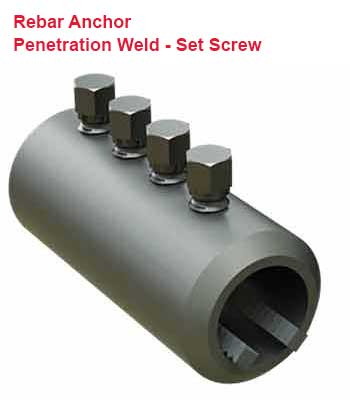
A Growing Trend in Steel Fabricating and Construction
As technology and engineering advances find their way in construction designs, the REBAR ANCHOR is one of the additions found more often in recent projects. There are various types and strengths. The article Rebar Anchors Type I and Type II Connections spells out the basic differences.
Tags: Rebar

As advancements in engineering and architecture continue, steel fabricators are increasingly required to find new opportunities to expand their work in rebar coupling. Rebar acts as a structural bearing in concrete. To provide maximum strength, it requires connection to a steel member. In recent years, the options for this connection have moved forward, creating greater opportunities for steel fabricators, but also additional complications.
Tags: Rebar

As the Rebar Anchor becomes more prevalent in building design steel fabricators are experimenting with ways to fulfill these requirements more efficiently. The most common types of Rebar Anchors are;
Tags: Rebar
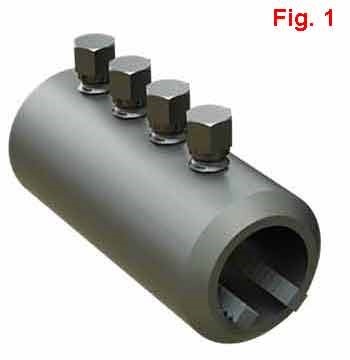
Weld-on Rebar Anchors can be specified in several types and styles. In each case, there are advantages and disadvantages. What is important, and of utmost concern to the architect and project engineer, is the strength of the connection between the structural steel and the rebar. The strength is designated by the connect type.
Tags: Rebar
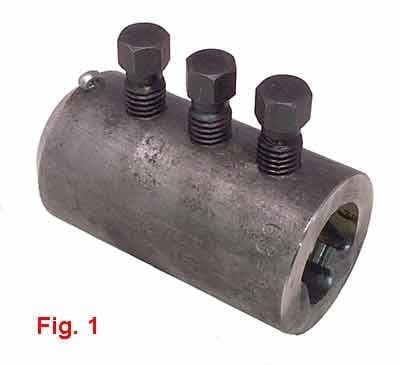
There are several ways rebar anchors can be portioned out in a construction job. They can be part of the steel fabricating package and that is all, they can be part of the steel package and include the first length of rebar, or they can be left entirely for the rebar contractor. We see these divisions all the time with specific product lines, such as Teflon® or Fluorogold® Slide Bearings, Elastomeric Bearings, Steel Wedges, etc. They are part of a project but it is not clearly noted who is responsible for them.
Tags: Rebar

As engineering standards continue to develop and improve, there seems to be an increasing need for weldable rebar anchors and couplers. To the average fabricator, these wealth of options represent an opportunity for additional profit but requires some understanding of how each system works.
Tags: Rebar

Things are changing a bit for both structural and miscellaneous steel fabricators. In the past, they have mostly stayed away from anything to do with concrete and the masonry side of the business, including rebar. Their interaction was often limited to welding masonry anchors onto columns and beams. This applied to items such as the wire tie, the Hohmann & Barnard Gripstay or the slotted channel.
Tags: Rebar